Articles
Unit breakdowns, draw intel, and strategy — built from real data.
Montana's Missouri Breaks: Hunting Elk and Mule Deer in the BLM Badlands
Montana Hunting District 410 covers the Missouri Breaks, a stretch of canyon country north of the Missouri River where sandstone cliffs drop to cottonwood bottoms and mature bulls and heavy-antlered bucks inhabit terrain that most hunters simply will not commit to reaching. Within the 375,000-acre BLM Upper Missouri River Breaks National Monument, the non-motorized river corridor functions as a de facto sanctuary, and the country rewards hunters who understand what it actually costs to hunt it seriously.
State Trust Lands: The Millions of Hunting Acres Most Hunters Have Never Heard Of
Western states collectively manage tens of millions of acres of state trust land, a category of public land almost never marked on hunting maps and regularly mistaken for private. In most states these lands are fully open to hunting with little more than a $10 annual permit, and they receive almost no pressure because hunters do not know they can be there.
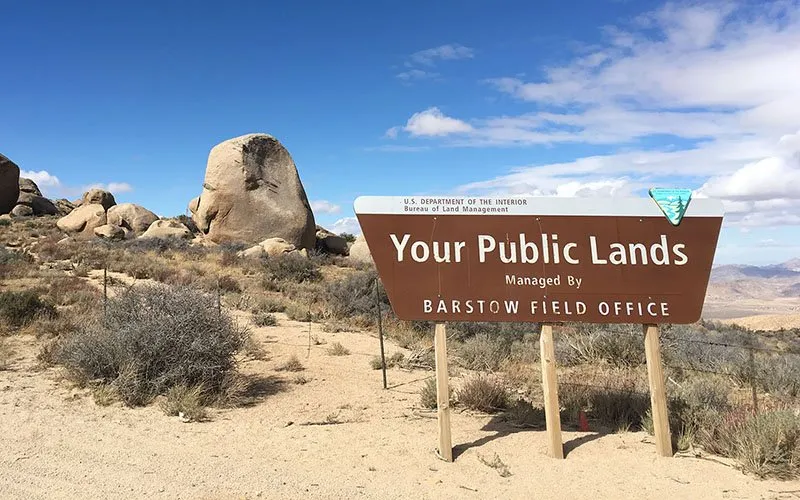
BLM vs. National Forest: What the Difference Actually Means for Hunters
Most western hunters treat all federal land the same. They shouldn't. BLM and National Forest ground differ in history, terrain, regulations, and access in ways that change how you plan every hunt.

Pronghorn: The Most Underrated Tag in the American West
Faster than anything that hunted it for ten thousand years, nearly lost to market hunters, recovered against the odds through hunter-funded conservation. Every fall, pronghorn tags sit unfilled across Wyoming, Montana, and New Mexico while hunters burn preference points chasing elk. That is a mistake worth correcting.
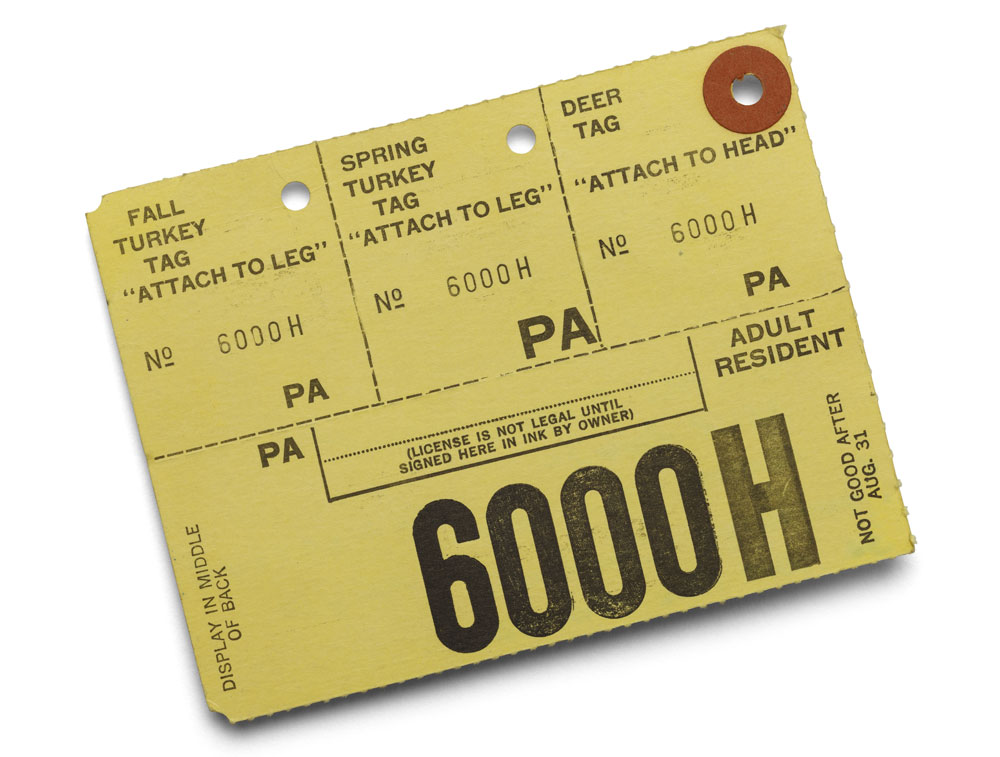
OTC, Limited Entry, and Landowner Tags: How Western Elk Licensing Actually Works
Western elk licensing is not one system. It's a half-dozen overlapping state frameworks, each with its own draw mechanics, nonresident quotas, and tag categories. This guide explains what OTC still means in 2026, how preference points differ from bonus points, what landowner tags actually cost, and what a hunter starting from zero should do right now.
Chronic Wasting Disease: What Hunters Need to Know Before Season
CWD is now confirmed in more than 30 states, it cannot be destroyed by cooking, and prions survive in soil for decades. This is what the science actually says about the fastest-spreading wildlife disease in North American cervid history, and what you need to do before you pull the trigger in a CWD zone.
Wyoming's Black Hills Whitetail: The Western Tag Most Hunters Don't Know Exists
Northeast Wyoming's Crook County holds three hunt areas packed with whitetail deer, credible buck genetics, and over-the-counter general licenses. Most hunters drive right past it chasing mule deer. Here is what the Black Hills actually offer and what the access situation honestly looks like.
Arizona's Strip: Why Unit 12A Elk Tags Are the Holy Grail of Western Hunting
Arizona Unit 10 sits north of the Grand Canyon on a plateau that produces some of the largest bulls in North America. Tags are nearly impossible to draw and the terrain is unforgiving, but for hunters who finally punch their ticket, it delivers on every promise.
Nevada Unit 231: Hunting Mule Deer at the Edge of the Great Basin
Nevada Unit 231 sits in the central Great Basin where isolated mountain ranges rise from alkali flats and mule deer genetics produce exceptional bucks, but the draw system is unforgiving. This is what hunters actually find when they finally get a tag, and what the years of waiting are really buying.
Idaho Unit 39: Elk Hunting in the Selway-Bitterroot Wilderness
Unit 39 covers the heart of the Selway-Bitterroot Wilderness, the largest roadless area in the lower 48. Pack-in only, low pressure, mature bulls, and a full predator complex make this one of the most demanding and rewarding elk hunts in the West. Here is what you actually need to know before you go.
Wyoming Hunt Area 105: The Beartooth Mule Deer Tag Most Hunters Will Never Draw
Hunt Area 105 sits in the Clarks Fork drainage and the broken ridgelines south of the Beartooth Plateau, holding some of the most exceptional mule deer in North America. The terrain is roadless, the quota is tiny, and the preference point requirements have been climbing for years. Here is what the country is, what the draw actually takes, and how to position yourself for a tag that might take twenty years to land.
Colorado's Ranching for Wildlife: Private Land Access, Trophy Bulls, and the Real Trade-off
Since 1986, Colorado has handed some of its best elk country over to a private partnership that rewards landowners with up to 90 percent of limited-entry tags. Here's what public hunters actually get in return, how to apply for the 10 percent that goes to the public draw, and whether the deal is worth it.
New Mexico Unit 34: Hunting the Valles Caldera and Jemez Mountains
Unit 34 covers the Jemez Mountains and the Valles Caldera National Preserve, a 90,000-acre supervolcano caldera north of Los Alamos that held a world-class elk herd off limits to public hunting for 140 years. Today two separate hunting systems govern access here, and knowing the difference between a state draw tag and an NPS quota hunt is the first thing any serious applicant needs to understand.

Colorado GMU 54: The Gunnison Basin Elk Hunt That Just Changed Forever
For decades, hunters could walk into any license dealer and buy a tag for GMU 54's elk. Those days are gone — and understanding why tells you everything about how this country hunts.
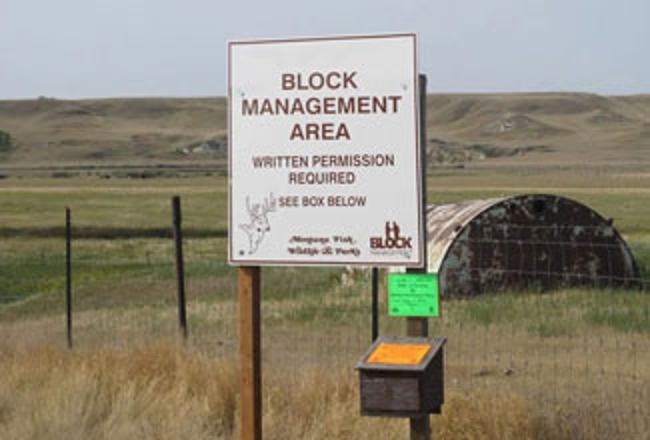
Montana's Block Management Program: Eight Million Acres, One Handshake at a Time
Montana's Block Management Program is the most ambitious hunter-landowner access experiment in the country — and right now, it's under real pressure.
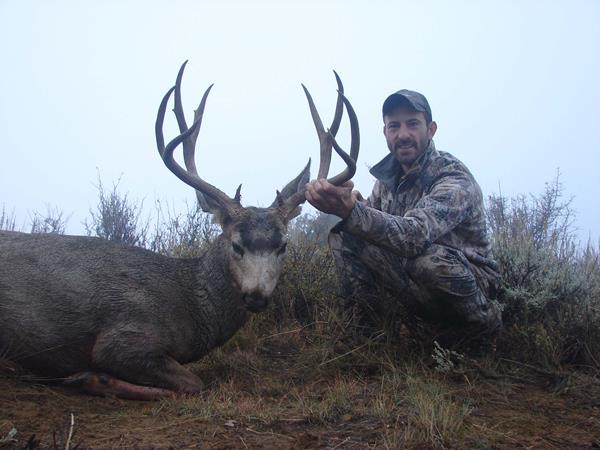
Utah's Book Cliffs: The Mule Deer Tag You'll Wait a Decade to Draw
The Book Cliffs region produces some of the most exceptional mule deer bucks in North America. Getting a tag is the real hunt — and the wait may be worth every year of it.
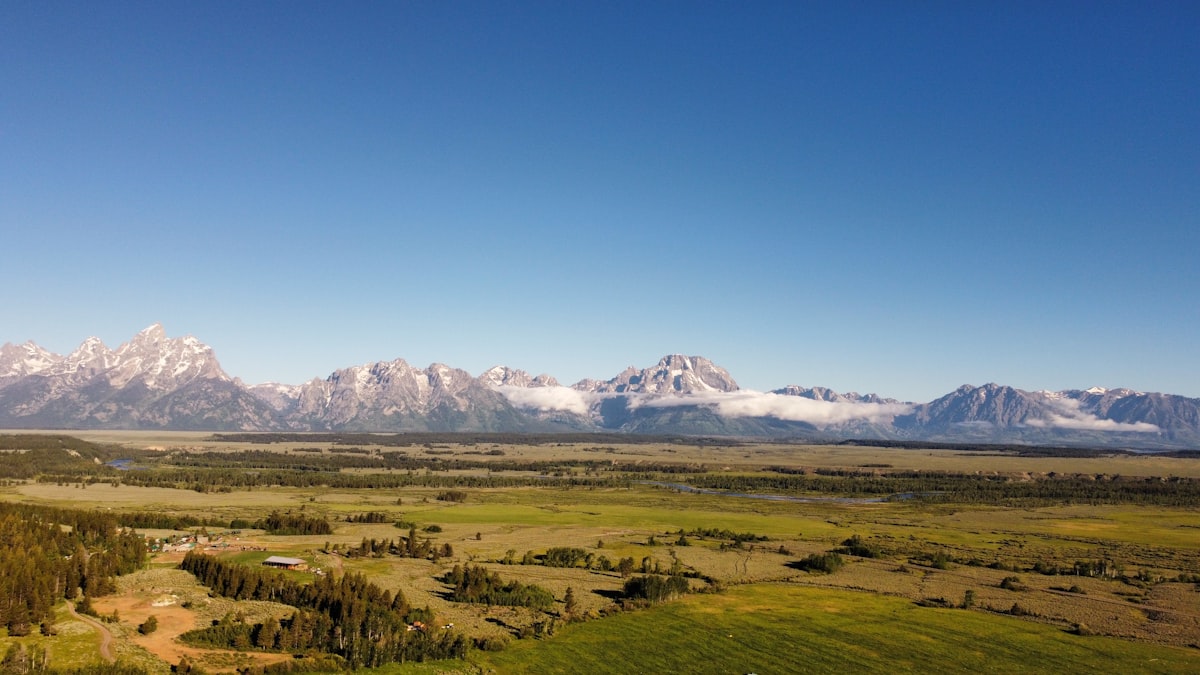
How to Actually Read Western Deer Draw Odds (Most Hunters Get This Wrong)
Draw odds tables look simple. They're not. Most hunters misread them in ways that cost years of misallocated points. Here's how to read them correctly — what the percentages actually mean, why preference and bonus points are fundamentally different, and which units most hunters overlook entirely.
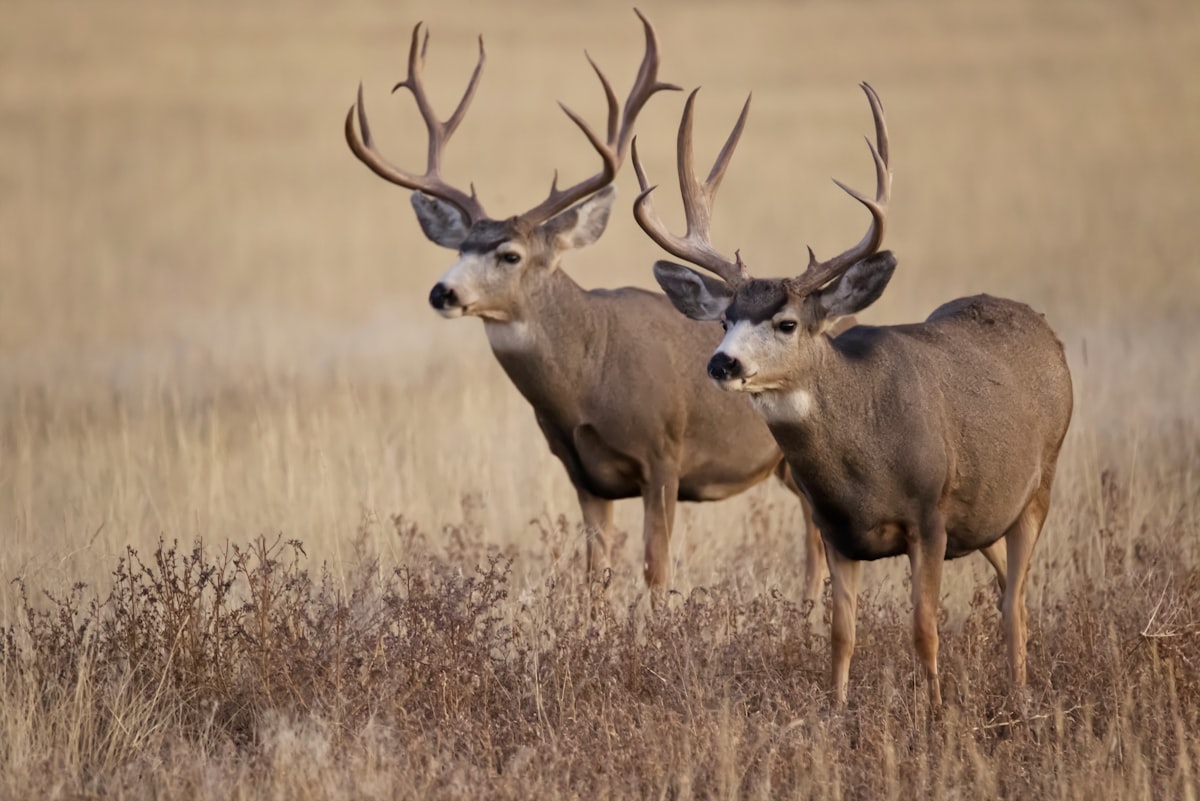
Wyoming Area 27 Is One of the Most Underrated Mule Deer Units in the Rockies
Area 27 is one of the most geographically varied mule deer units in Wyoming — Bighorn NF high country, Walk-In access, three highway corridors, and a herd in recovery after the brutal 2022–23 winter. Here's the full picture: history, access reality, honest liabilities, success rates, and everything else that lives in the unit.