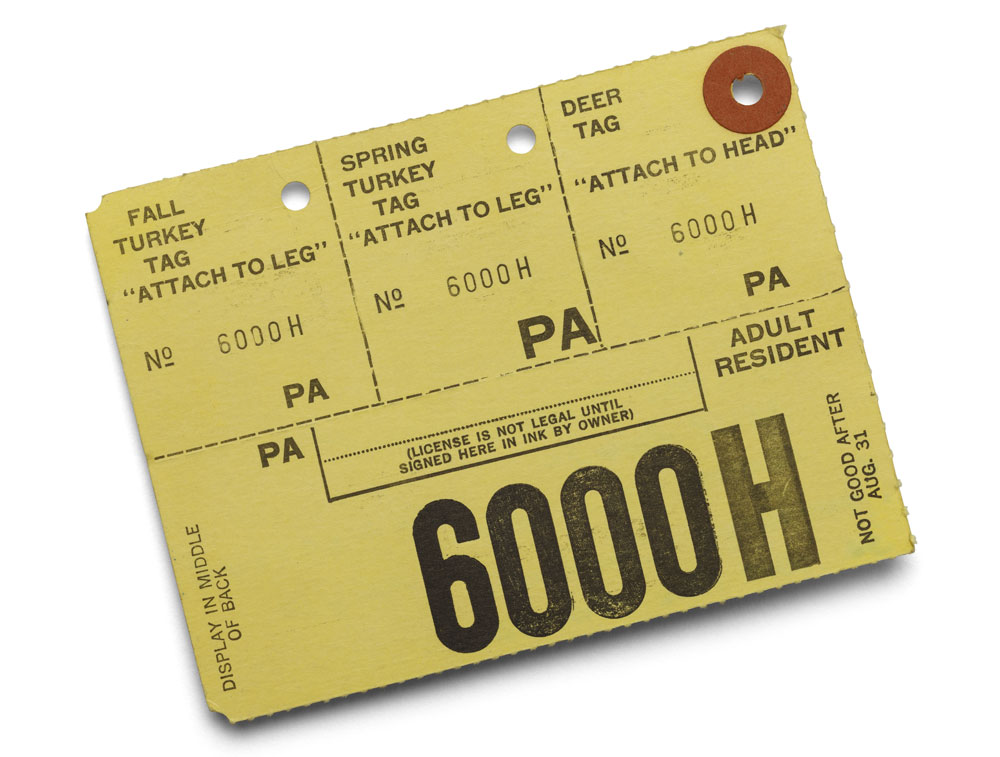
If you grew up hunting deer in a single state, western elk licensing can feel like a different language. Each state runs its own system: its own tag types, its own draw mechanics, its own rules on nonresidents. The terminology overlaps but does not always mean the same thing. "Limited entry" in Utah is not the same system as "limited entry" in Idaho. "Controlled hunt" in Nevada is not the same draw structure as Colorado's "preference point" pool.
This piece is a working reference. It explains what each license category actually means, where the real opportunities are in 2026, and how to build a multi-state strategy without wasting points in the wrong places.
Over-the-Counter Elk: What It Still Means
An over-the-counter (OTC) elk tag is exactly what it sounds like: you buy it without entering a draw. No points, no waiting, no odds. You pay the license fee and you hunt. For a long time, most western states offered OTC elk tags broadly. That era is largely over.
In 2026, genuine OTC elk hunting for bulls exists in a handful of places:
- Idaho general season: Residents and nonresidents can buy an OTC archery or rifle tag for most general elk zones. It's the last large state where a nonresident can reliably buy a rifle bull tag without drawing. The tradeoff is pressure, public land access complexity, and OTC-level success rates that typically run 10 to 20 percent in hard-hunted units. Browse Idaho units to see which general zones still hold huntable bull populations.
- Montana general season: Montana's "B" licenses are OTC for residents and available OTC to nonresidents in most general elk districts outside the most coveted limited units. Nonresident OTC availability has been tightened in recent years, so verify current regulations with Montana Fish, Wildlife and Parks before assuming access. See Montana units for unit-level access notes.
- Colorado OTC units: Colorado still has OTC archery and second/third rifle seasons in over-the-counter units, primarily in the high-pressure units. Many serious hunters treat Colorado OTC as a boot camp: accessible, educational, and honest about the odds. Colorado units include draw odds and pressure context for each unit.
- Wyoming general license: Wyoming's general elk license is not quite OTC, but it functions like one. It's available to nonresidents in a limited pool, first-come at the August sale. It covers general elk areas, which are large and varied in quality. Wyoming units break down the general zone options.
OTC opportunities are narrowing because they work against herd management goals. When pressure exceeds what a unit can absorb, agencies respond by converting OTC to limited entry. Expect this trend to continue.
The honest case for OTC: it gets you in the field immediately. For a hunter new to elk, that experience, learning terrain, reading sign, understanding the animal, is worth more than sitting at home accumulating points for a tag you won't draw for a decade.
Draw Systems: Not All Lotteries Are the Same
Every state with limited entry elk uses some form of draw system, but the mechanics differ in ways that change your strategy considerably.
Preference Points: Wyoming
Wyoming runs a strict preference point system. The hunter with the most points draws first. Period. Once you accumulate enough points, your draw is essentially guaranteed. The catch is time: some top Wyoming units require 15 to 20 points for nonresidents. There's no bonus-point randomness, no chance to draw early. You either have the points or you don't. Wyoming also allows you to apply for a leftover license pool after the main draw, which can yield tags in medium-tier units.
Bonus Points: Colorado and Arizona
Colorado and Arizona use a weighted lottery. Each preference point you hold is squared, then entered as tickets in a weighted draw. A hunter with 5 points gets 25 chances; a hunter with 6 gets 36. The math means long-tenured applicants have significantly better odds but not certainty. A zero-point hunter still has a real chance on low-demand tags. Colorado also runs a separate random draw pool that any applicant can enter, separate from the preference point pool. Check Colorado units for unit-specific draw odds by point level.
Random Draw: Montana Limited Units
Montana's limited entry elk drawing for the coveted "A" tags in limited districts is largely random with a preference point system that functions as a bonus. Points improve your odds but don't lock out newcomers the way Wyoming's system does. The tradeoff is you may wait years at moderate odds rather than working toward a guaranteed draw. Montana's official hunting regulations publish the annual draw statistics.
Controlled Hunts: Idaho, Nevada, Utah
Idaho and Utah use the term "controlled hunt" for their limited entry units, which is functionally a preference-point draw. Utah operates one of the more aggressive limited entry systems in the West, with points accruing over decades for the premier limited entry tags. Nevada's controlled hunts are extremely limited in tag numbers and notoriously difficult to draw for nonresidents.
| State | System Type | NR OTC Elk? | Typical Wait (Top Tags) | NR Quota |
|---|---|---|---|---|
| Colorado | Bonus points (weighted lottery) | Yes (OTC units) | 5-15 years | ~20-25% |
| Wyoming | Strict preference | General only | 10-20 years | ~20% |
| Montana | Random draw + bonus | Yes (general zones) | 5-12 years | ~10% |
| Idaho | Preference (controlled hunts) | Yes (general units) | 8-15 years | ~10% |
| Arizona | Bonus points (weighted lottery) | No | 15-25 years | ~10% |
| Nevada | Preference (controlled hunts) | No | 15-30 years | ~10% |
Limited Entry: What the Restriction Actually Buys You
Limited entry isn't just a gatekeeping mechanism. It's a management tool. When an agency caps the number of tags issued in a unit, it's typically doing one or more things: protecting a recovering herd, maintaining trophy age structure, or managing hunter density on terrain that can't absorb pressure.
For the hunter who draws a limited entry tag, the protection is real. You're hunting a unit where the agency has decided, by design, to issue fewer tags than the pressure demand. Harvest reports from limited entry units consistently show higher bull-to-cow ratios, higher average age structure in bulls taken, and often, meaningfully higher hunter success rates than comparable OTC units.
Utah's premium limited entry tags, particularly in units like Book Cliffs or Henry Mountains, have documented bull success rates above 80 percent. These tags can require 20-plus points to draw. The system works; it's just slow.
Landowner Tags: The Private Market
In most western states, landowners who control significant acreage in a unit receive a direct allocation of tags, separate from the public draw pool. These landowner tags can be used by the landowner, transferred to family members, or, in states where it's legal, sold to hunters.
The legal status of tag transfer and sale varies by state. In Colorado, landowner preference vouchers can be converted to tags through the draw. In Utah, landowner certificates can be sold. In Wyoming, landowner licenses can be sold to nonresidents in some cases. Always verify current regulations with the specific state agency, as these rules change annually.
Buying a landowner tag typically means paying a private party, often through a broker or outfitter, for access and the tag itself. Prices range widely: a mid-tier Colorado unit landowner tag might run a few thousand dollars on top of the license fee; a premium Wyoming unit tag can exceed ten thousand. You're buying guaranteed tag access, not necessarily guaranteed success. Read the lease agreement carefully, confirm access is what was represented, and verify the tag is valid through the agency before money changes hands.
Landowner tags are not a scam, but the market has enough bad actors that due diligence is non-negotiable. Contact the state agency directly to confirm any tag number before payment.
Colorado's Ranching for Wildlife Program
Colorado's Ranching for Wildlife (RFW) program is worth understanding because it directly reduces the tag pool available to public-draw hunters. Under RFW, qualifying ranch operations receive a direct allocation of tags, separate from the general public draw, in exchange for conservation and access commitments. The ranches can use those tags for private guided hunts, often sold to clients at premium prices.
The result is that in some of Colorado's most productive elk units, a meaningful percentage of the total tag allocation goes into the RFW pool, not the public draw. If you look at a Colorado unit and wonder why the draw odds seem low relative to the apparent tag number, check whether the unit has RFW tags pulling from the public pool.
The program has supporters (it funds habitat work on private land) and critics (it privatizes wildlife access). That debate is ongoing. What's not debatable is the math: RFW units have fewer public draw tags than their total allocation suggests.
Nonresident Quotas: The Real Math
Most western states cap nonresident elk tags at 10 to 20 percent of the total allocation. This is not incidental: it's written into statute in most states, reflecting a policy decision that residents get priority access to their state's wildlife.
For nonresidents, this cap means that even if you accumulate points, you're competing only within the nonresident pool for that smaller allocation. A unit with 100 total bull tags and a 10 percent nonresident cap has 10 tags available to all nonresident applicants. If 800 nonresidents apply for that unit, you're looking at 1.25 percent odds, not 10 percent.
Montana is particularly restrictive: nonresident B licenses (OTC general elk) have been subject to numerical caps that sell out, and the limited entry nonresident quota in premium districts is tight. Check current quota numbers directly from Montana Fish, Wildlife and Parks before building a Montana-centered strategy.
Idaho's nonresident cap on controlled hunt tags is approximately 10 percent in most units. Colorado caps nonresidents at roughly 20 to 25 percent for most species, which is higher than most states and one reason Colorado draws so many out-of-state applicants.
Browse all states to compare nonresident quota data, draw odds history, and unit-level access notes side by side. If you've hunted a unit with a landowner tag or a limited entry draw, share your experience on the forum so other hunters can make better decisions.
Point Banking Strategy: When to Spend vs. Save
Multi-state point accumulation is the standard strategy for serious western elk hunters, but it requires discipline and honest self-assessment of your timeline.
The core trade-off is simple: points in a strict preference system like Wyoming build toward a near-certain future draw. Points in a weighted lottery like Colorado reduce your odds variance each year but never guarantee a draw. Points in a random draw like some Montana units have diminishing marginal returns.
Practical framework for a new hunter in 2026:
- Apply in Colorado annually starting now. Even with zero points, you have odds in lower-demand units. Bonus points compound each year. Colorado is the most applicant-friendly state for nonresidents, given the higher nonresident quota and the bonus-point system.
- Begin Wyoming application immediately for medium-tier units. With a strict preference system, every year you skip is a year you can never recover. You don't need to apply for a 20-point unit. Apply for a unit you'd actually want to hunt with 8 to 10 points.
- Hunt Idaho or Montana OTC in the near term. These hunts put you in elk country now, build your skills, and don't cost points. Idaho general is the most accessible OTC bull elk opportunity in the West for nonresidents in 2026.
- Consider Arizona and Nevada long-term only. These states have the most coveted tags in the country. They also require the most points. Apply if you're willing to play a 20-year game for a once-in-a-lifetime hunt.
The hunters who regret point strategy aren't the ones who spent points too soon. They're the ones who didn't start applying until their 40s, then looked at a 15-point deficit to the hunters who started at 18.
One underused option: apply for leftover tags after main draws close. Wyoming, Colorado, and Montana all release unsold tags. The quality is lower than the main draw, but success in a leftover unit beats sitting at home with a full bank of points.
Starting From Zero in 2026: The Honest Advice
If you have no points in any state and want to hunt elk regularly, here is the realistic path.
Year 1: Buy an Idaho general OTC tag, or a Montana general B license if available. Hunt elk. Simultaneously, apply for Colorado in a unit you'd actually like to hunt. Start Wyoming application in a unit with a 6 to 10 point average draw. Pay the Arizona and Nevada application fees to begin accruing points even though you won't draw for 15-plus years.
Years 2 to 5: Continue OTC hunting to build experience. By year 3 to 5 you have a realistic chance at a Colorado limited entry unit in moderate-demand areas. Keep Wyoming points growing.
Years 6 to 10: You'll have drawn at least one Colorado limited entry tag if you've applied strategically. Wyoming points are approaching viable draw territory for quality units. You have the experience to use a good tag well.
The system rewards patience and consistent applications more than any other single factor. Start early, hunt OTC in the meantime, and don't let perfect be the enemy of a good unit that you can actually hunt in the next five years.
Dig deeper on the units that match your goals. Browse all western states for unit-level draw odds, access maps, and harvest data. If you've navigated any of these systems and have first-hand experience to share, post it on the FindYourUnit forum. Your field report helps the next hunter make a better decision.
Regulations and draw odds change annually. Verify all figures with state wildlife agencies before applying.